





















In October of 2025, 17-year-old Larissa Nichole Rodriguez died after a sudden fatal cardiac event. The medical examiner announced her cause of death as “an enlarged heart due to stress and large amounts of caffeine,” otherwise known as cardiomyopathy.
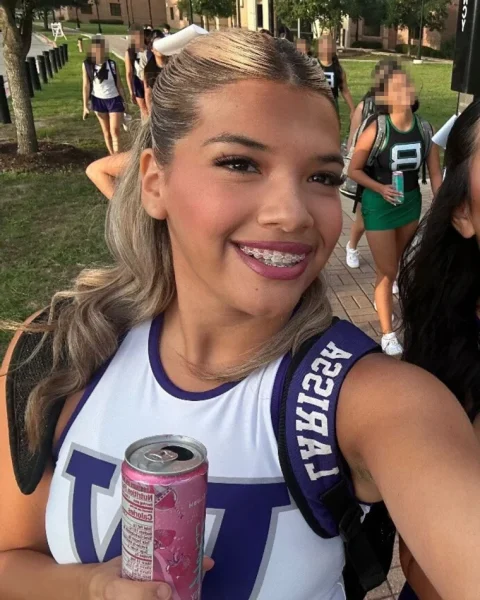
Larissa’s family claims she first heard of the popular energy drink, Alani, on social media, which then sparked her interest. She reportedly drank at least one a day.
She was under the impression that the drink boosted wellness and contained health benefits. She would drink them to either boost her energy or get her ready for sports practices.
According to Larissa’s family, she had no preexisting heart conditions, with none running in their family either. After her sudden death, the family assumed the cardiac event was the result of her continuous Alani consumption.
Her mother, Jennifer Rodriguez, filed a lawsuit against the company, claiming they specifically market towards teenagers.
On Alani Nu cans, it states that they are not recommended for children, pregnant women, nursing women, or those who are sensitive to caffeine. They also disclose the amount of caffeine on their cans, which is 200mg.
The family claims the company isn’t transparent about the cardiac risk you can be exposed to when consistently consuming the drinks. She hopes to win the lawsuit and prevent harm to any child caused by the drinks.
The company responded to the family’s statement, saying, “Saddened by this loss, and our thoughts are with the family. We take product safety seriously and believe consumers should have clear information about what they are drinking.”
They also stated, “Our products comply with applicable federal labeling requirements, and our policy is not to market or sample to anyone under 18, consistent with those label warnings.”
Larissa’s family also blames their local distributor, claiming they sell these drinks to teenagers, knowing the health risks. Energy drinks are extremely popular among teenagers, not just because of their appealing packaging, but because all their peers are doing the same.
Consumers should know the risks. Alani claims to make the risks as known as they can to hopefully prevent the chance of health issues caused by their drinks.
Taking everything into consideration, do you think the family should win the lawsuit? If you drink energy drinks often, maybe take a look at the can next time, or do some research. A caffeine boost isn’t worth the risk.