







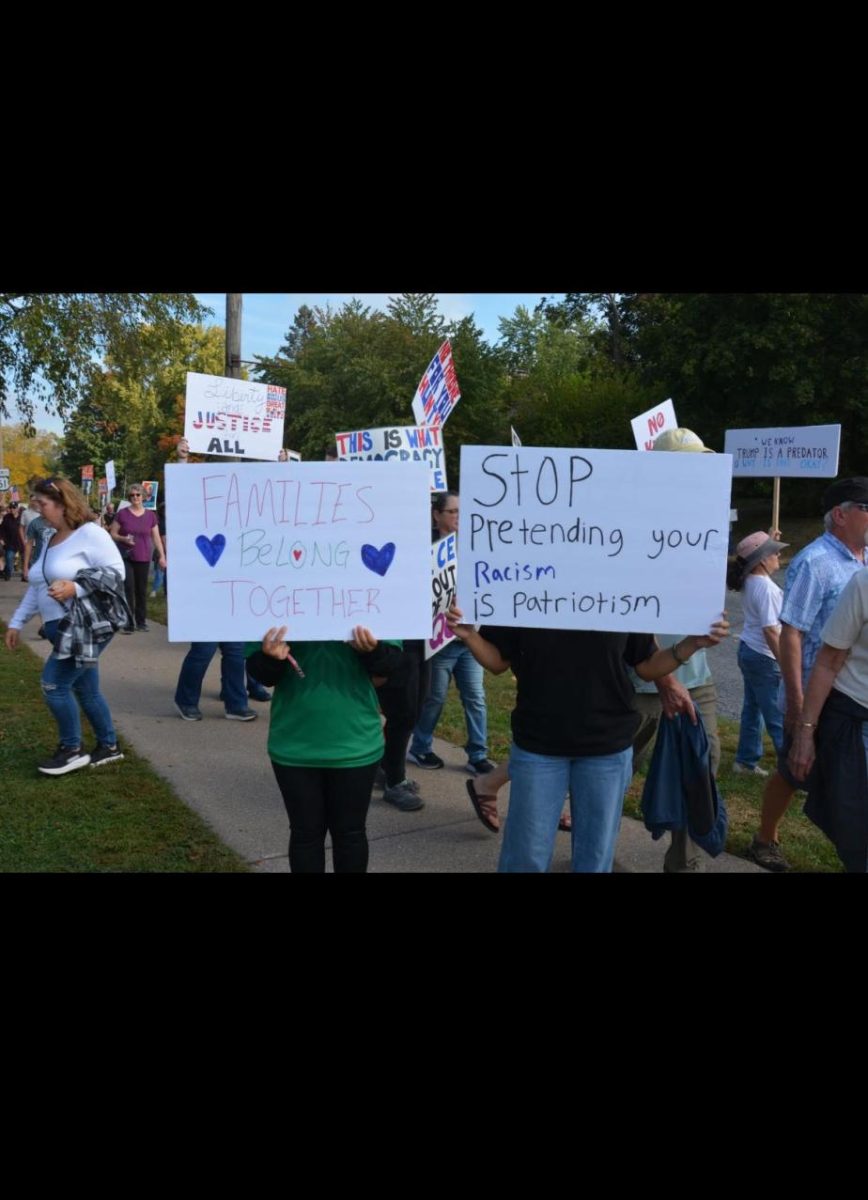


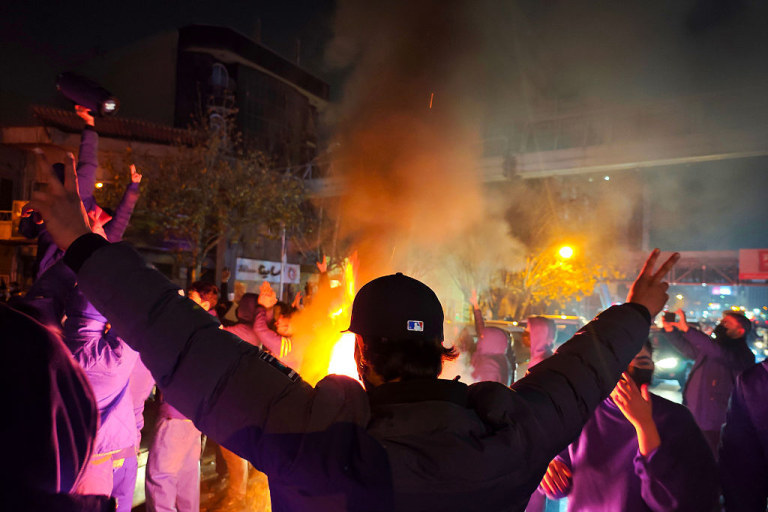
The unrest began on December 28th of last year, when shopkeepers and merchants (collectively called bazaari) in Tehran’s Grand Bazaar (and the rest of the country soon after) began to close up shop in response to extreme inflation that led to both currency depreciation and rapidly rising food prices[1]. Over the next few days, university students began protesting en masse as well, with workers joining through strikes and protests of their own soon after. Throughout the country, protesters were chanting slogans in opposition to the regime, including “Woman, Life, Freedom”, which gained precedence in past left-wing and women’s right protests[2], and “Neither Gaza, nor Lebanon, I will sacrifice my life for Iran”, referring to the Iranian regime’s heavy funding of foreign jihadist groups like Hamas in Gaza and Hezbollah in Lebanon[3].
Things began to greatly escalate on January 8th of this year, after Prince Reza Pahlavi, the son of the former king of Iran, called for greater protests and general strikes against the Islamic Republic. Many who felt things were better before the Revolution of 1979, which overthrew Pahlavi’s father and established the current regime, were even more emboldened. The protests began to take a uniquely pro-monarchy form. Pictures can be seen of protesters tearing down the flag of the Islamic Republic and replacing it with the flag of the old Imperial State of Iran, with crowds of protesters within the country and in the diaspora parading with that Imperial flag and carrying portraits of the Prince.
In some parts of the country, however, the revolt was of a different character; according to a statement published by the Communist Party of Iran[4], factory workers in the industrial city of Arak have established workers’ councils with the intention of putting economic and political control in the hands of the working class, threatening state officers with retaliation if they attack the revolutionary workers—though information on these bodies and their actual prominence is very limited, so this should be taken with a grain of salt.
The regime’s response was brutal: state police haphazardly massacred protesters in the thousands[5] to tens of thousands[6][7], leaving swathes of corpses strewn across morgues and in the streets. Not only that, but the regime is demanding up to 7 billion rials (now approximately $5,000) for the release of victim’s bodies to their loved ones.
Beyond the massacres in the street, the regime also intended to perform formal state executions on protesters who were arrested rather than immediately killed, including a 26 year old man named Erfan Soltani, the first of the detained to be sentenced to death, whose execution date was set only a few days after his capture and who was only given 10 minutes to say goodbye to his family before his scheduled killing. [8]
International reactions to this outburst of butchery by the regime were harsh. Following warnings made two weeks earlier that the U.S would intervene if peaceful protesters were killed[9], the Trump administration made preparations for an invasion of Iran, which it responded to by suddenly shutting down its airspace completely, requiring all flights to divert around its borders.[10]
Eventually, the Iranian regime heeded to Trump’s threats and postponed the 800+ planned executions, to which Trump responded by taking back his threats.[11] However, this has not prevented the informal massacres on the street—the official death count having more than doubled to over 5,000 as of January 18th, according to the Iranian regime.[12]
Throughout the course of this revolt, including to the time of writing, the government of Iran has enforced a total communications blackout, shutting down all internet and telephone access, both within and outside of the country. In response, Elon Musk’s Starlink attempted to get radio transmitters that could access the company’s satellite network smuggled into the hands of the country’s people, with limited success—the regime has recently found ways to shut that down.[13]
Now, it seems as though international attention has begun to shift away from the regime’s actions, and, at least for now, it has for now secured its continued existence. Only time will tell how long that will last.
[3] https://iranwire.com/en/society/107735-guide-to-the-slogans-heard-at-protests-in-iran/
[4] https://cpiran.org/statement-of-the-workers-councils-of-arak-all-power-to-the-councils/
[5] https://www.pbs.org/newshour/world/iran-protest-death-toll-spikes-to-at-least-2000-activists-say
[6] https://www.iranintl.com/en/202601130145
[10] https://www.the-independent.com/tv/news/iran-closes-airspace-us-threats-trump-video-b2902164.html
