

















The Significance of Braids
On social media, there has been lots of discourse about braids, specifically white people appropriating a hairstyle and trying to dismiss the concerns by saying things like “Vikings had braids” or “it’s not that deep.” But it is deep, especially when braids are placed in their true historical, cultural, and emotional context (aliciatenise.com).
Braids Are More Than Just a Hairstyle
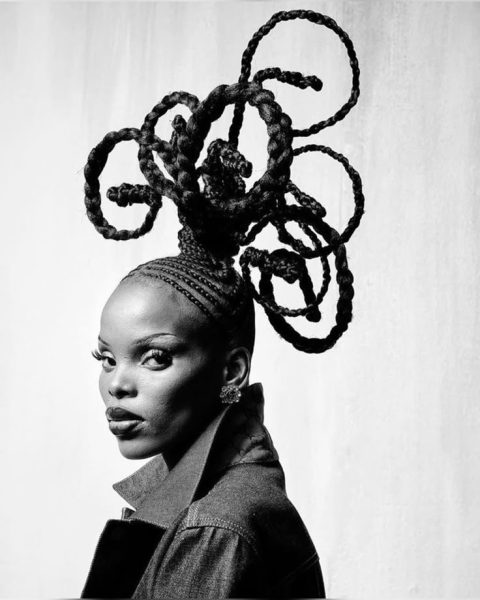
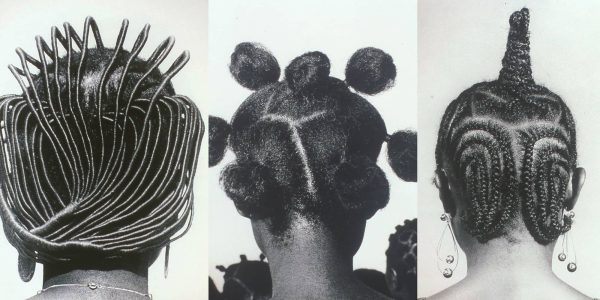
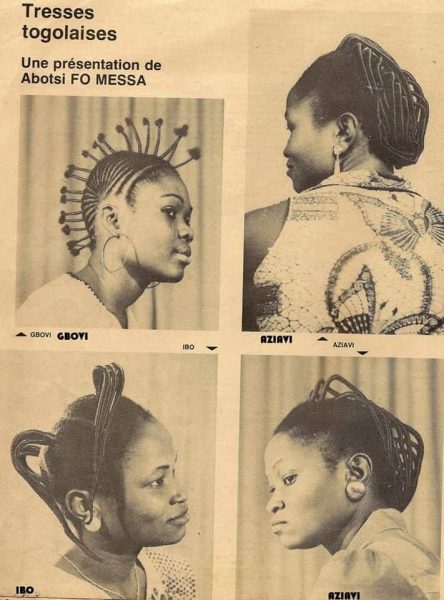
Braids have existed for thousands of years, and in many cultures, especially African cultures, they were never simply decorative. Hairstyles communicated identity, connection, and belonging, revealing a person’s family background, marital status, age, and social rank (aliciatenise.com). Because of this, hair functioned as a form of cultural expression rather than just fashion (aliciatenise.com).
For many African Americans today, wearing braids is a way of honoring ancestors and preserving tradition, making braids a symbol of resilience rather than a passing trend (aliciatenise.com).
Braids in Family and Community Life
Braiding hair has long been tied to family rituals and emotional connection. Memories of mothers braiding their daughters’ hair, sharing stories, laughing, and passing down wisdom show that braids nurture confidence and belonging, not just appearance (aliciatenise.com). These moments transform hair care into an act of love and cultural continuity (aliciatenise.com).
Braids and hair styling also create a community for black and African American individuals. A hair wash day is much more than just a task; it is a self-care ritual embedded with love. Salons have become a place of connection and comfort.
Braids Through History
Braids also carried powerful meaning across historical periods.
Communication: In various African societies, braided patterns helped communicate identity and social relationships, especially before written systems were widely shared (blogs.loc.gov).
Survival During the Middle Passage: During the forced journey of enslaved Africans to the Americas, some African women braided rice or grains into their hair so they would have food later or could sustain their children (blogs.loc.gov). This shows braids serving a practical and life-preserving purpose, not merely an aesthetic one (blogs.loc.gov).
Hope and Escape: Oral histories describe how braids and hair adornments could contain directional messages or symbols connected to escape routes, turning hairstyles into tools of resistance and hope (blogs.loc.gov).
Hair as Healing, Art, and Identity
Braiding also represents healing and personal history within African American communities. Weekly hair-braiding rituals between mothers and daughters created spaces for storytelling, care, and emotional bonding, making braiding a therapeutic and creative act (blogs.loc.gov).
Artists such as Sonya Clark further demonstrate that hair braiding can function as textile art and cultural expression, elevating the practice beyond grooming into the realm of artistic heritage (blogs.loc.gov).
Why Braids Still Matter Today
Because braids carry history, identity, survival, resilience, family connection, and artistry, dismissing them as “just hair” ignores their deep cultural meaning (aliciatenise.com). Understanding this history explains why conversations about braids and cultural respect remain important today.
Braids are not simply a hairstyle, they are living history woven into every strand (aliciatenise.com).