























Headphones have become a normal part of everyday life, to the point where they often go unnoticed. This is not just due to their normalcy, but also because of the ease and discreet nature of wearing headphones without them being distracting. Students use them while doing homework, riding the bus, walking through the halls, or even falling asleep at night. Studies show that “It’s estimated that 1 in 8 young people between the ages of 6 and 19 have hearing loss due to music blaring through earbuds or headphones. The numbers appear ready to worsen too, as most children spend a few hours a day wearing audio devices” (Sound The Alarm: How Headphones Can Harm Your Hearing). While headphones make listening more convenient, many people do not realize the long-term harm they can cause, especially when the volume is too loud. Excessive volume can damage the inner ear, leading to permanent hearing loss and other serious health issues.
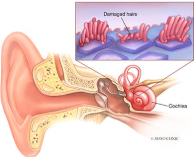 Inside the cochlea, the inner ear contains thousands of micro hair cells that help turn sound vibrations into signals the brain can understand. These hair cells are extremely delicate. Once they are damaged, they do not grow back. Because headphones deliver sound directly into the ear canal, they increase the risk of damaging these cells when the audio is played at unsafe levels (If It Sounds Too Loud, It Is Too Loud).
One of the most common results of loud headphone use is noise-induced hearing loss. Sounds above 85 decibels can begin damaging the ear, yet many people listen to music at levels much higher than that without realizing the harm. Over time, this constant exposure can cause irreversible effects on hearing. Students may notice muffled hearing after using headphones, needing to turn up the volume more often, or experiencing pressure in the ears—early warning signs that damage may be occurring.
Loud volumes can also lead to tinnitus, a condition in which a person hears ringing, buzzing, or humming that is not actually present. While tinnitus can sometimes fade, repeated exposure to loud sounds can make it permanent. This can affect sleep, concentration, and overall mental health.
Experts often recommend the “60/60 rule”: listening at no more than 60 percent volume for no more than 60 minutes at a time. Taking regular breaks gives the ear time to rest and recover. “The first thing the auditory system does is it adapts. If you turn up the volume, early on it will sound really loud to you, but over time, you’ll adapt to it and, after a while, it won’t sound that loud. The same thing will happen if you turn down the volume. Your system will adapt to that lower volume level. Choosing the volume wisely is the best thing you can do to avoid hearing loss” (What you need to know about earbuds and hearing loss). Noise-canceling headphones can also help by reducing the need to turn up the volume in noisy environments.
Although headphones are convenient, students need to understand the risks of turning the volume too high. Protecting your ears now can help prevent permanent hearing problems in the future. With mindful listening habits, it is possible to enjoy music and media while still keeping your hearing safe.
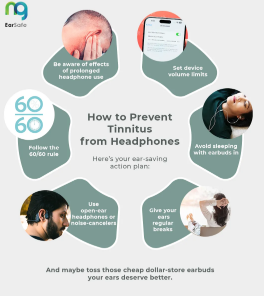 If you are a regular user of headphones and experience any of these symptoms, you might want to consider cutting back and seeing an audiologist:
Tinnitus, which is a ringing, hissing, or buzzing sound in the ear
Difficulty hearing in noisy environments
Difficulty understanding what people are saying
Needing to watch TV at a higher volume
(Listen Up: Headphone Use Can Impact Your Hearing Health)