
















There’s a reason century-old ideas stick around. Proverbs like, “You become what you behold, “ and “You are who you surround yourself with.” Are statements that endure because they capture a truth of human nature. Whether we realize it or not, we are shaped by the things we spend time with. Think about it: If you spend time with smart people, science suggests you’ll get smarter. If you spend time with cynics, you’ll become more cynical. Bestselling author James Clear put it this way: “You are what you repeatedly do.”
Social Psychologist Johnathan Haidt backs up this claim by explaining how “Neurons that fire together, wire together, …. Activities that repeatedly activate a constellation of neurons cause those neurons to connect more closely.” In other words, the brain is always looking for patterns; things that happen over and over again. When it is continually exposed to certain types of behavior, such as swearing or pessimism, it recognizes the pattern and adopts the behaviors to fit in with the group. For example, say you are a person who was initially apprehensive about swearing. If your friends use swear words frequently, eventually you will too. This is where the idea of peer pressure comes from. Peer pressure is the influence on an individual’s behavior caused by repeated exposure to either the pressure to fit in or the discomfort of not fitting in. At the core of it, the amount of ‘pressure’ on an individual is directly related to the amount of time a person spends with the group in question. The solution is simple: if you don’t like the way people around you are acting, spend less time around them. The same principle can be applied to social media.
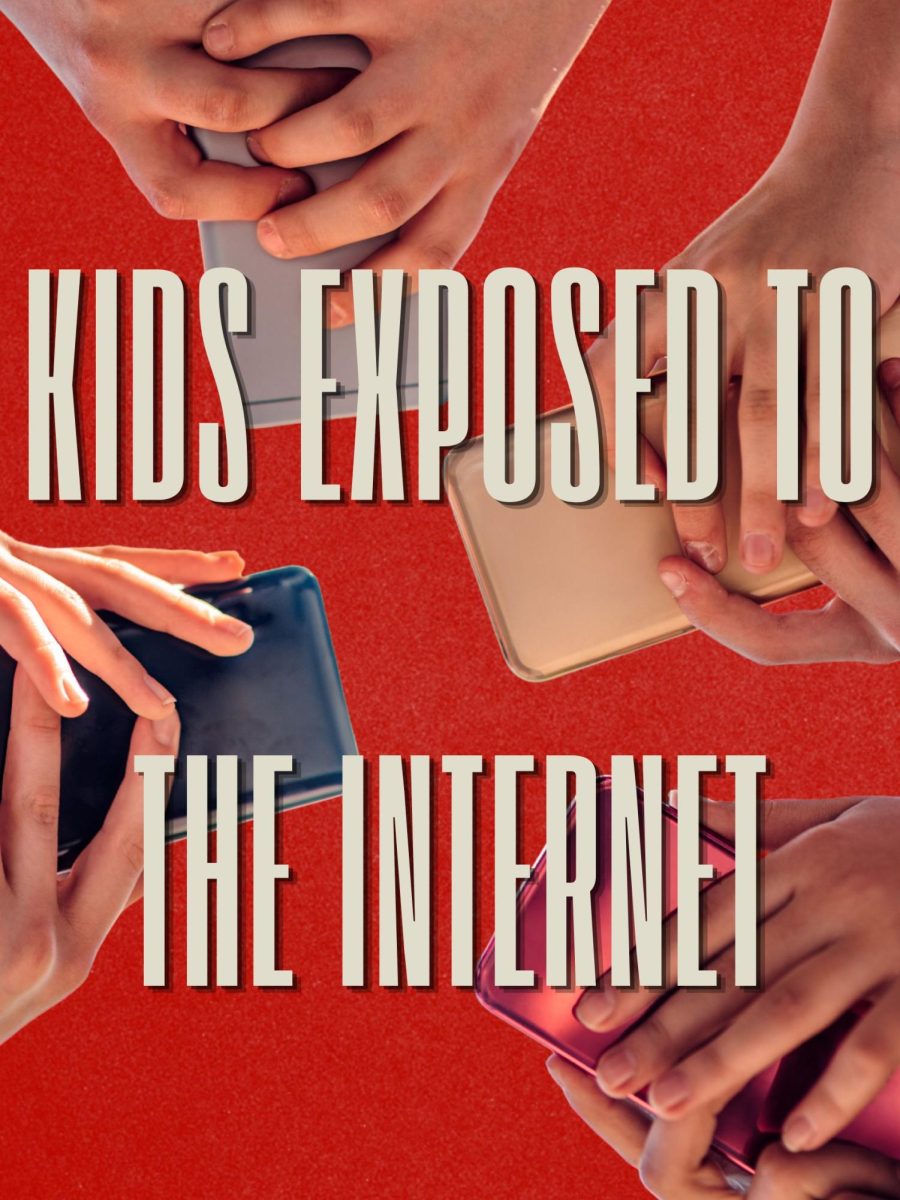
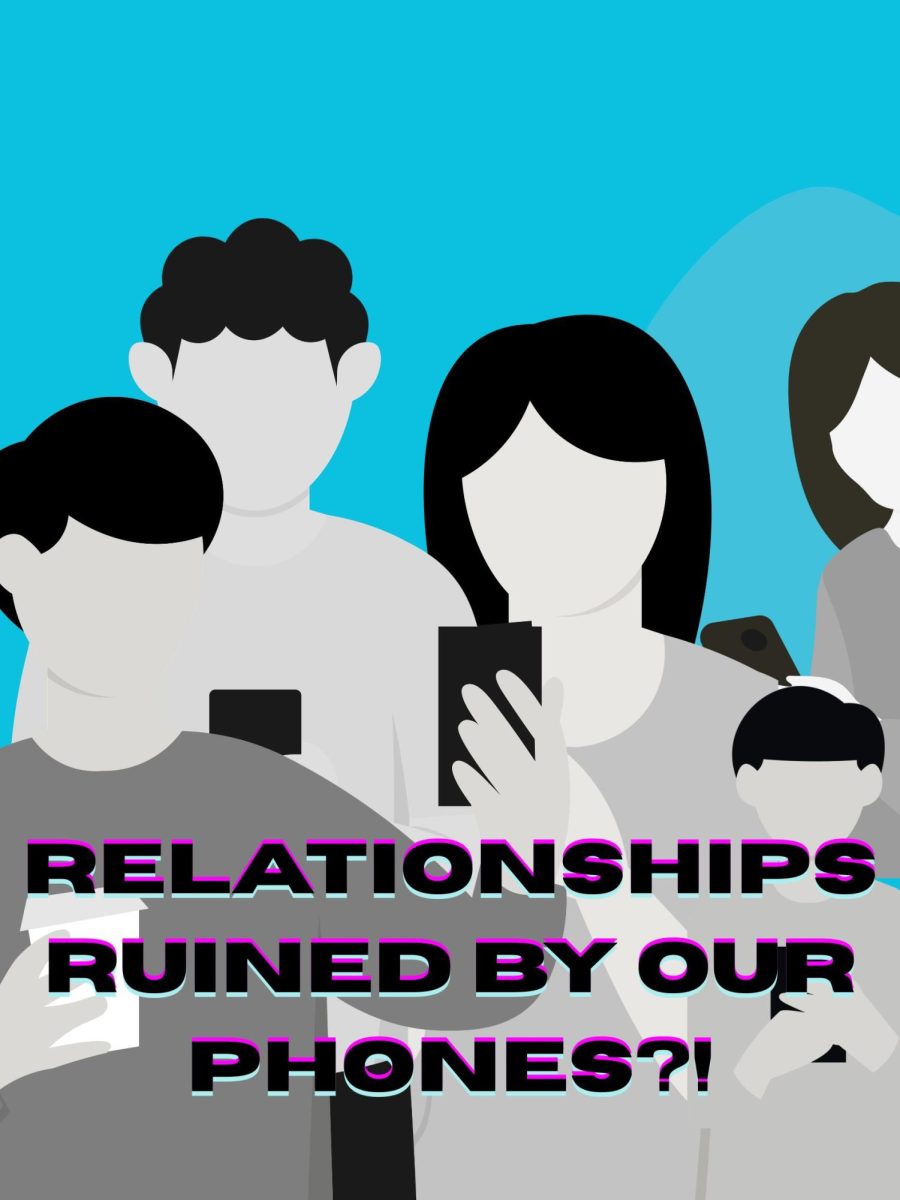
Since the dawn of the digital age, internet usage has only increased. Social Media is taking advantage of teenagers. With over 96% of American teenagers on the internet every day, there is little argument over the significance of this issue. Consider this: the average teen spends 4.8 hours a day on social media, and they pick up their phones more or less than one hundred times a day. Meaning, their usage isn’t divided between two or three sessions; it’s delegated into one hundred separate sessions per day. This repetition and reinforcement are more than enough to form thought patterns. But what’s so important about our thoughts?
Ralph Waldo Emerson put it this way, “Sow a thought, and you reap an action, sow an act, and you reap a habit, sow a habit, and you reap a character, sow a character, and you reap a destiny.”
The key here is continual reinforcement. What we think about is important; what information enters our minds daily is important. The content, or media, to which we are repeatedly exposed matters. If we’re spending over four hours on social media, what are the chances that all of that information entering our minds is positive and wholesome? So why are we so inclined to spend over a fourth of our waking hours on social media?
It’s no secret that teens, even before social media, are extra vulnerable to peer pressure. From an evolutionary basis, people ages 13 to 19 are biologically inclined to prioritize belonging to a group over being individualistic; fitting in offers more social and emotional security than standing out. This predisposition stifles creativity and fosters division between social groups. Social media companies have monetized this tendency by employing the use of AI-Algorithms that are programmed to maximize user engagement. This is done by sorting each user into a category based on what they spend the most time engaging with. While the user still has the ability to think critically (for themselves), the constant exposure to uniform (homogenous) thinking dulls critical thinking skills.
Social media rewards conformity. The more views a person gets, the more followers, brand deals, and money they earn. In a way, these entities have rewired how users behave by facilitating cultural homogeneity while ostracizing the parts of people that function, think, or act in a way that doesn’t align with the rest of the population. It’s easy to understand how this can be a problem.
In his 2018 book, The Coddling of the American Mind, Social Psychologist John Haidt explains that “Morally homogeneous groups are more prone to witch hunts, particularly when they experience a threat, whether from outside or from within.”
Meaning, a society that rewards conformity and sameness is a society that is susceptible to modern-day witch hunts, like cancel culture, violent protests, and the collective targeting of people for unpopular opinions online.
“In the age of social media, cyber trolls, and fake news, it is a national and global crisis that people so readily follow their feelings to embrace outlandish stories about their enemies. ” Haidt notes.
Both teenagers and adults need to become more aware of who and what they are being influenced by. Independent thinking requires intentional focus on one’s own mind, beliefs, and behavior. If people spent less time monitoring others and more time thinking for themselves, and challenging their beliefs, communities would become stronger, more resilient, and more capable of pursuing truth in an age saturated in volatile relativism.


Mrs. Keitel • Feb 4, 2026 at 11:40 am
You are a very good writer, Ella, and made some valid points. I think we should all be concerned with how much we, as a society, rely on social media, the internet, and AI. It would be difficult to imagine a world without access to these “resources.”